
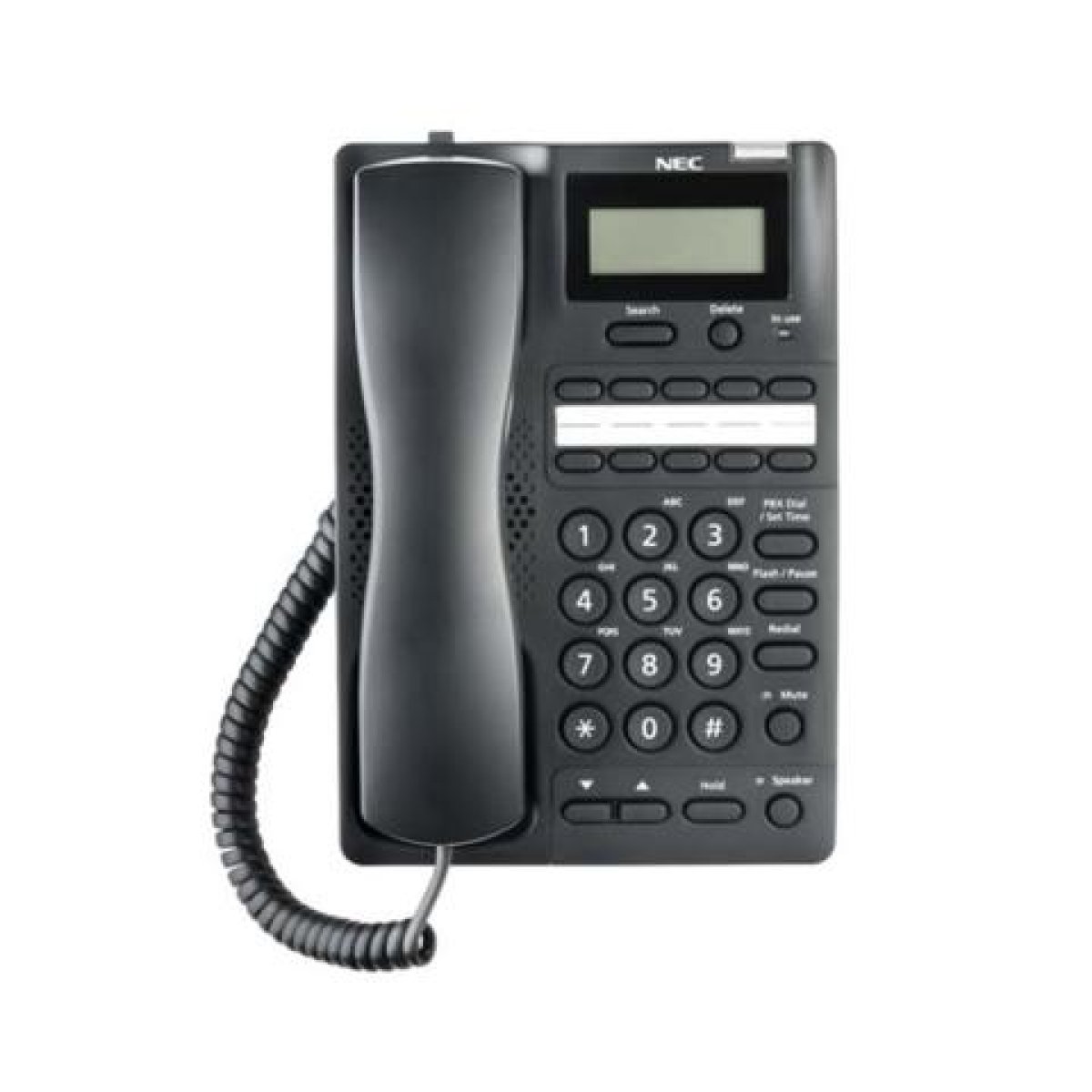
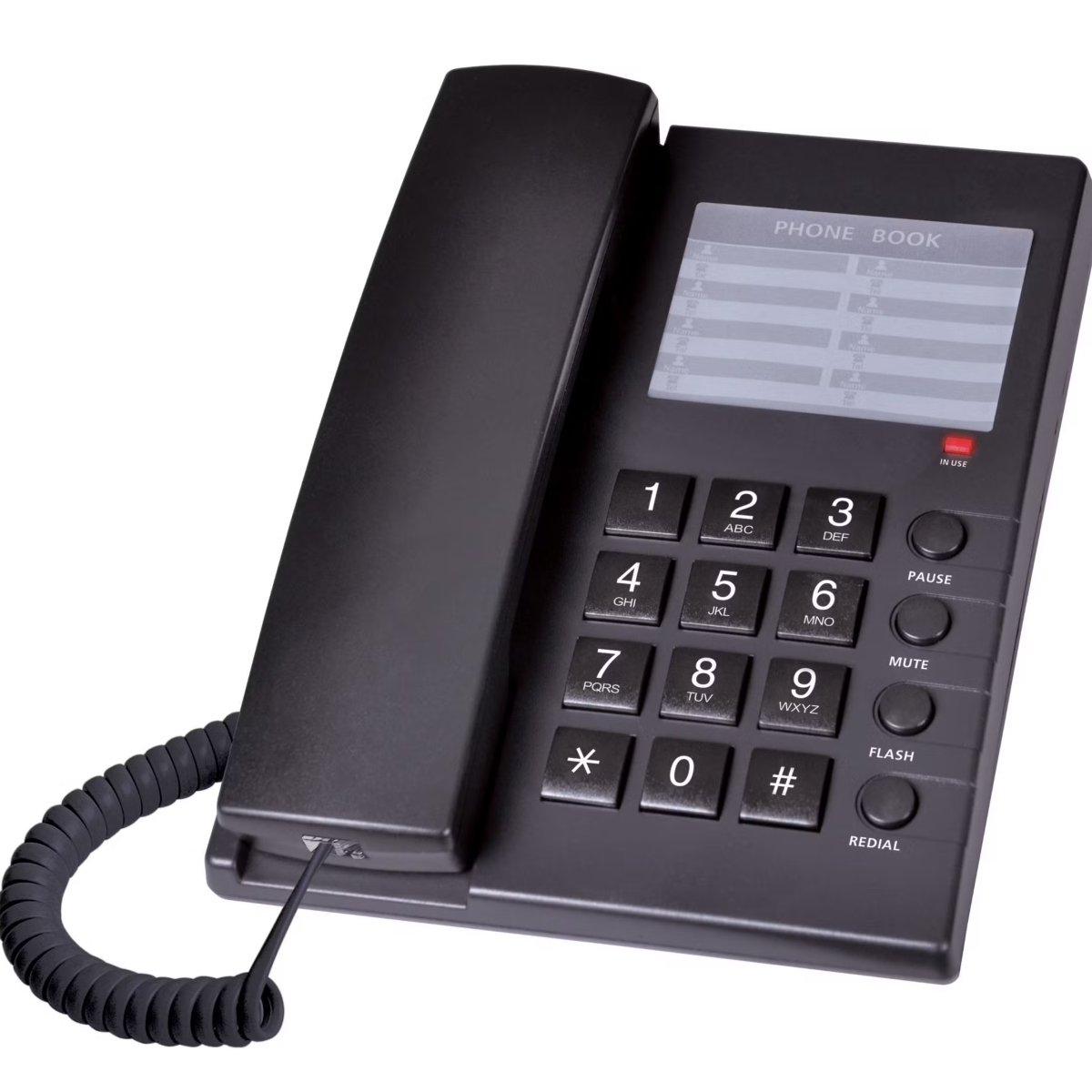
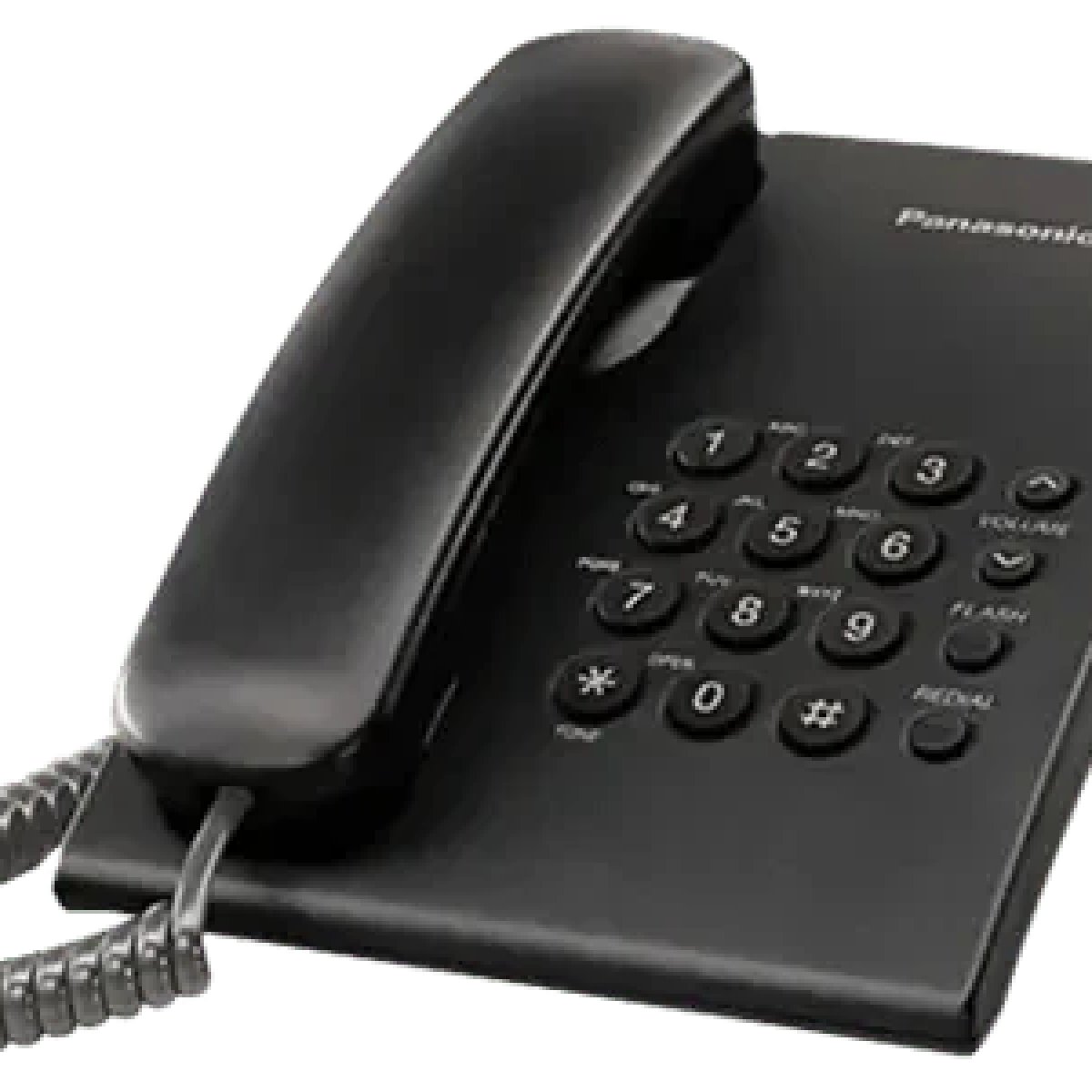
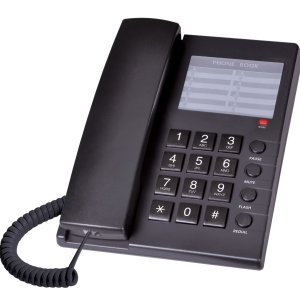

Single-Line Analog Desktop Telephone A conventional circuit-switched voice endpoint engineered for high-reliability communication over standard analog twisted-pair copper infrastructure (POTS/FXS). Operating completely on line-powered direct current ($24\text{V to }48\text{V DC}$) from a central PBX or public telephone switch, this traditional telephone features Dual-Tone Multi-Frequency (DTMF) dialing, a rugged physical hook-switch mechanism, and high-impedance acoustic components—delivering an unhackable, storm-resilient communication node that functions completely independently of building data networks or local AC mains power.
Resilient Circuit-Switched Communications Independent of the Data Network
While modern offices utilize IP and SIP phones to route voice packets over local data networks, certain critical zones require a communication tool that is completely decoupled from computers, servers, switches, and internet availability. A conventional Analog Telephone represents the foundational standard of Plain Old Telephone Service (POTS). It operates entirely within the analog domain, converting physical acoustic sound waves directly into variable electrical signals that travel over simple two-wire copper cabling.
The terminal functions via a classic hardware loop that has remained standard for decades. The phone connects to a central switching device (like an Analog PBX or a telecom central office) via a single pair of copper wires known as the Tip and Ring lines.
When the user lifts the handset, the physical hook-switch springs upward, closing an electrical circuit. This action draws a steady direct current (DC) loop current from the central switch, signaling a "local off-hook" status and prompting the switch to send a standard acoustic dial tone down the line.
When a number is pressed on the keypad, the phone generates precise pairs of acoustic frequencies using Dual-Tone Multi-Frequency (DTMF) signaling. The central switch reads these tones to route the circuit. During an active call, the phone's internal hybrid network separator handles the incoming and outgoing audio waveforms simultaneously over the same two wires, keeping local microphone audio from overpowering the earpiece.
Key Performance Features
Absolute Operational Autonomy: Operates completely independently of the facility's data networks, routers, and the internet. It cannot be targeted by digital network hacks, firmware exploits, or cyberattacks.
100% Centralized Line-Powered Infrastructure: Draws its operating power directly from the central PBX or telephone line ($24\text{V to }48\text{V DC}$). It requires no individual AC wall plugs or under-desk battery packs, allowing it to function normally during complete facility power blackouts.
High-Voltage Acoustic Audibility: Equipped with a robust internal ringer circuit capable of processing high-voltage alternating current ($90\text{V AC}$ at $20\text{Hz}$) to drive high-decibel physical bells or electronic sounders that slice through industrial ambient noise.
Intrinsically Reliable Egress & Life-Safety Support: Because of its simple, hardware-driven framework, it is the standard choice for emergency elevators, parking garage pillars, and building fire warden stations.
Durable Mechanical Engineering: Built with a heavy-duty, high-impact ABS thermoplastic shell and a mechanical hook-switch rated for hundreds of thousands of cycles without physical wear or electronic failure.
Ideal Infrastructure Applications
Harsh Industrial Construction Yards & Plants: Providing dependable communications across hot, high-vibration, or dust-heavy areas where sensitive digital screen terminals would fail.
Emergency Lifeline Elevator Cabs & Walkways: Serving as the mandatory, code-compliant emergency backup calling terminal that functions when the building loses all primary mains power.
Correctional Facilities & Secure Government Vaults: Deploying simplified, tamper-proof voice endpoints that cannot bridge data across secure facility boundaries.
Technical Performance MatrixEngineering Metric ParameterCommercial Analog Desktop Telephone ProfilePrimary Line Interface1 $\times$ RJ-11 Port (2-Wire Analog Tip & Ring / FXS Interface)Signaling & Dialing StandardDual-Tone Multi-Frequency (DTMF) / Legacy Pulse SelectableOperational Supply Current$20\text{ mA}$ to $60\text{ mA}$ Loop Current (Line-Powered)On-Hook Standby Voltage$-48\text{V DC}$ Nominal Loop Supply from SwitchIncoming Ringing Voltage Trigger$40\text{V to }90\text{V AC}$ RMS @ $20\text{Hz}$ Single-PhaseAcoustic Audio BandwidthTraditional Telecom Spectrum ($300\text{ Hz}$ to $3400\text{ Hz}$)Keypad Array Structure12 Standard Mechanical Alpha-Numeric Keys (0-9, *, #)Physical Flash Hook TimingStandard $600\text{ ms}$ calibrated break loop (Field adjustable)Housing Construction BaseHigh-Impact Heavy-Gauge ABS Thermoplastic ShroudCompliance CertificationsFCC Part 68 Compliant / CE / RoHS / Hearing Aid Compatible (HAC)Standard Procurement Package Components
Heavy-Duty Analog Desktop Telephone Main Console
High-Impedance Acoustic Handset with Dynamic Transducer Elements
Heavy-Duty Coiled Handset Cord ($3\text{ meter / }10\text{ ft}$ extended)
Standard Flexible RJ-11 Telephone Line Patch Cable ($2\text{ meter / }6.5\text{ ft}$)
Wall-Mounting Bracket Adapter Baseplate and Operations Quick-Sheet