
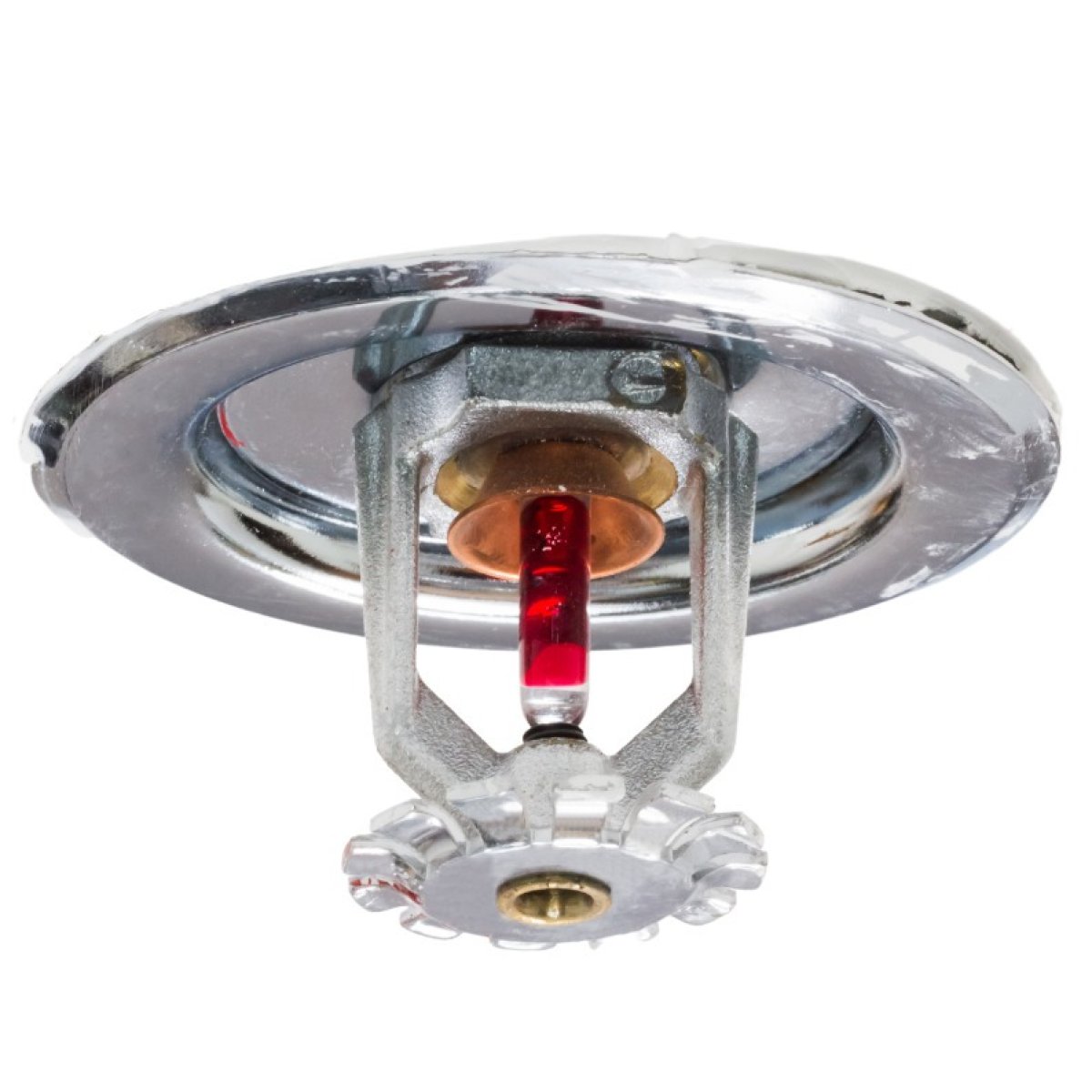
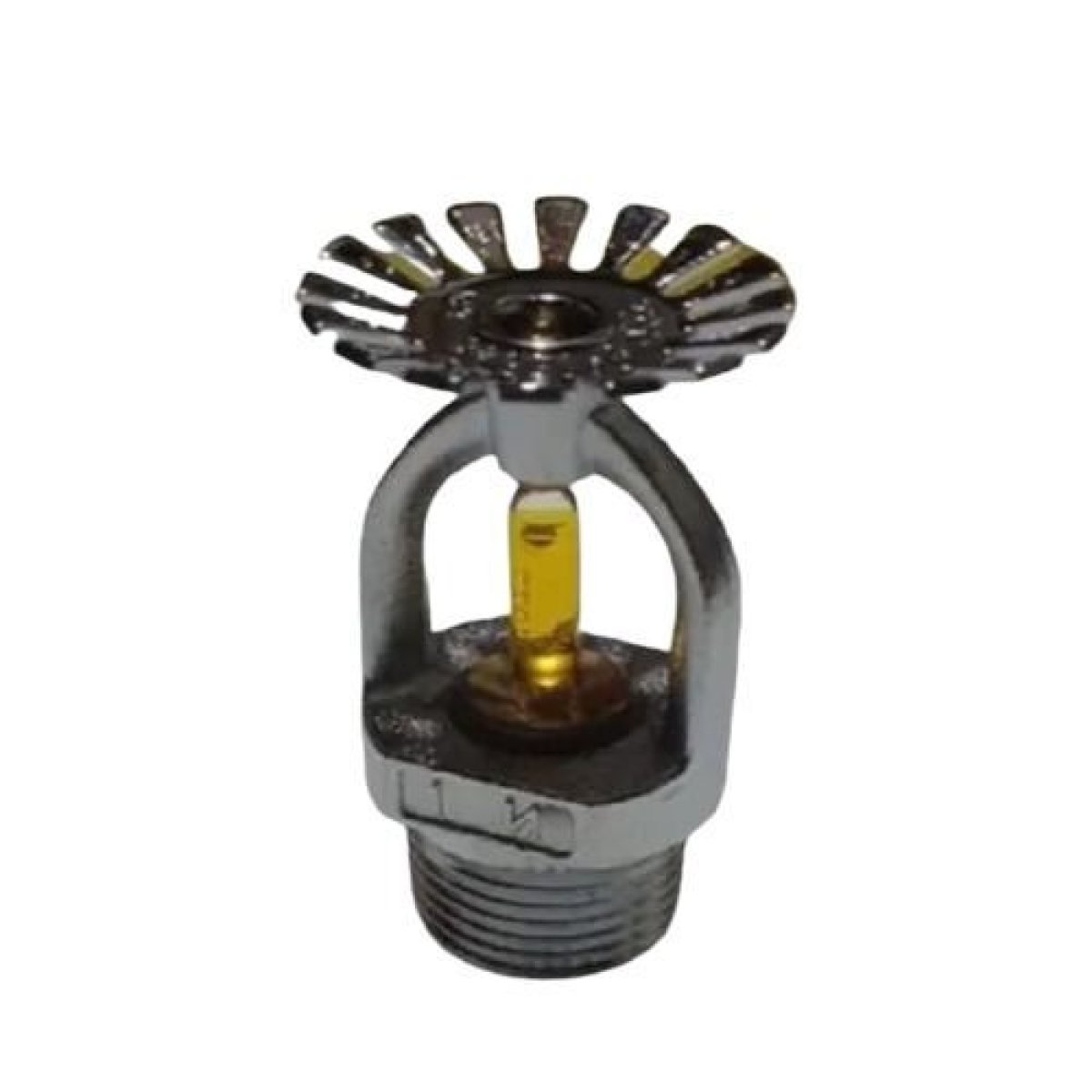
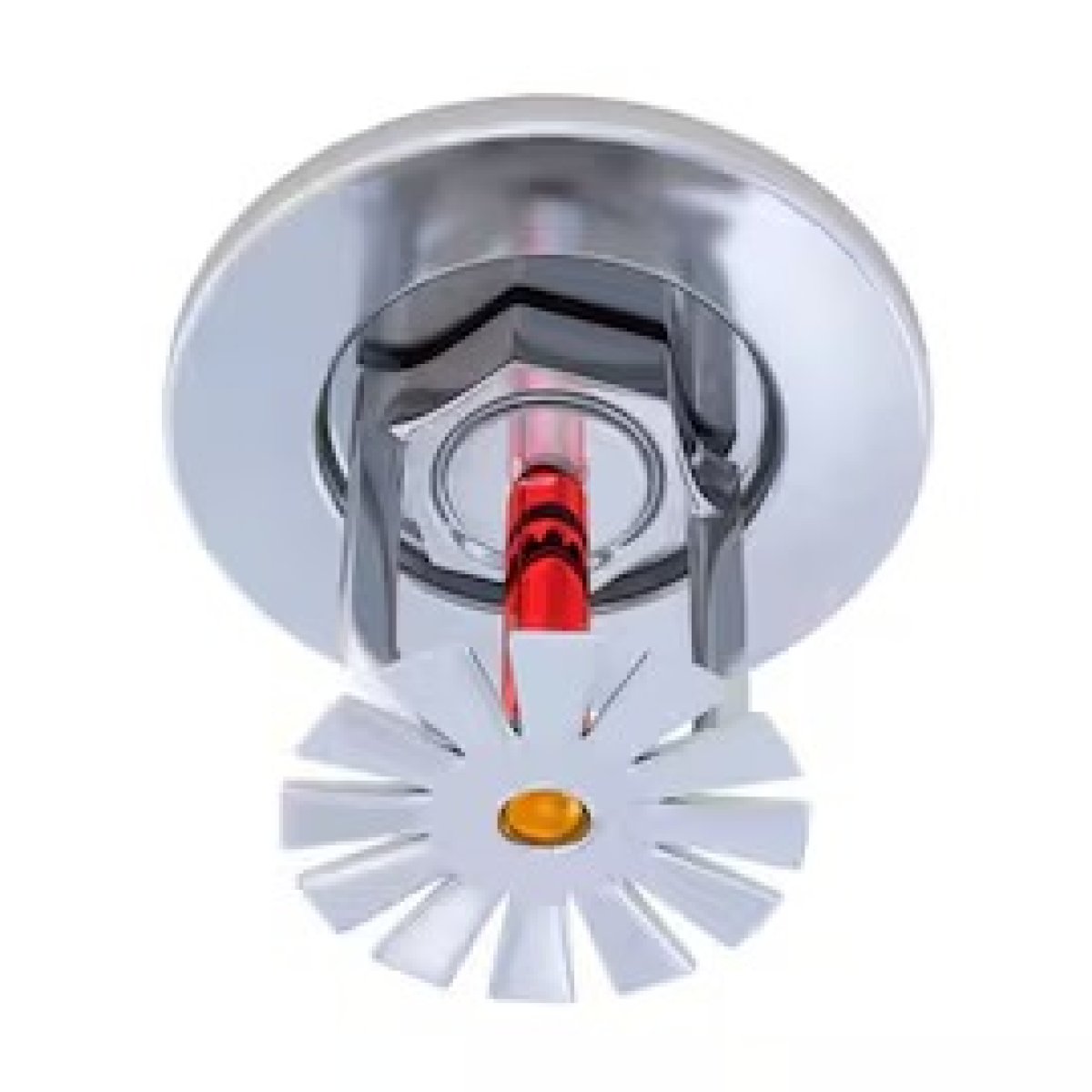
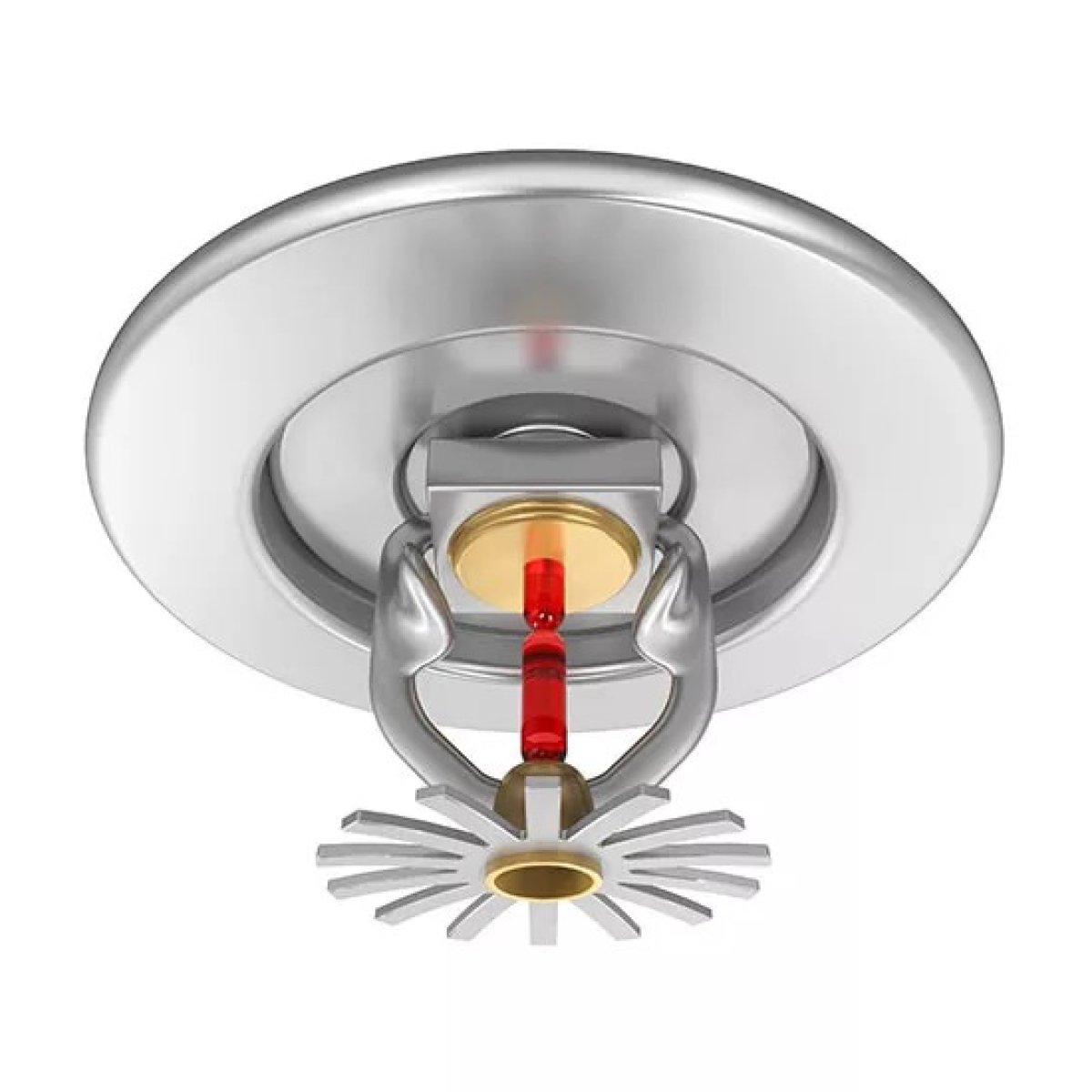
Automatic Fire Sprinkler System An engineered, network-wide active fire suppression system designed to automatically detect, control, and extinguish structural fires at their point of origin. Utilizing a grid of thermally sensitive sprinkler heads distributed across overhead piping loops, this system provides 24/7 localized water deluge protection, instantly dropping ambient heat levels and sounding localized alarms without requiring manual human intervention.
Localized, Thermal-Velocity Fire Suppression for Structural Enclosures
While hand-lines and hydrants provide crucial tools for first responders, they require manual staging and human intervention. If a fire breaks out in an unoccupied office floor, a warehouse aisle, or a basement plant room overnight, it can easily flash over before emergency crews arrive. The Automatic Fire Sprinkler System is a facility's primary, automated defense grid. It operates on a decentralized layout, ensuring that fire detection and high-volume suppression occur simultaneously within seconds of a thermal breakout.
The entire system remains continuously pressurized and connected to a dedicated water supply (such as a fire pump and suction reservoir). Unlike movie depictions where a single pulled fire alarm activates every sprinkler head in a building simultaneously, these systems operate on localized thermal rupture. Each individual sprinkler head acts as its own autonomous heat sensor. Only the specific sprinkler head directly exposed to the rising convective heat column of a fire will open. This localized action suppresses the fire right where it started, minimizing property smoke spread while preventing unnecessary water damage to unaffected sections of the building.
Core System Architecture Types
To accommodate varied structural environments, building thermal profiles, and hazard levels, automatic sprinkler systems are engineered in four primary configurations:
1. Wet Pipe Systems (The Industry Standard)
Instantaneous Response: The internal piping grid is completely flooded with pressurized water all the way to the individual sprinkler heads.
Best For: Climate-controlled commercial offices, retail centers, hotels, and schools where ambient temperatures always stay above freezing.
2. Dry Pipe Systems
Freeze Protection: The overhead pipes are filled with pressurized air or nitrogen gas instead of water. A specialized internal "Dry Pipe Valve" holds the main water supply back in a heated pump room. When a sprinkler head clears, the air pressure drops, forcing the valve to open and flood the overhead grid.
Best For: Unheated warehouses, commercial parking decks, and cold-storage processing plants vulnerable to sub-zero freezing.
3. Pre-Action Systems
Dual-Risk Safeguard: The piping holds dry air, but water is held back by an electronically supervised pre-action valve. The valve will only open if a secondary detection system (like an addressable smoke or heat detector) confirms an active hazard. Water fills the pipes, turning it into a wet system, but won't discharge until a specific sprinkler head's thermal element ruptures.
Best For: Mission-critical facilities where accidental water discharge could cause catastrophic financial loss, such as data centers, server vaults, museums, and telecommunication hubs.
4. Deluge Systems
Massive Volume Overwhelms: Outfitted with open sprinkler nozzles that completely lack internal thermal elements. When an integrated flame or heat detection loop triggers the main deluge valve, the entire piping grid floods instantly, spraying water from every single nozzle simultaneously across the entire zone.
Best For: High-hazard industrial settings, such as chemical processing plants, aircraft hangars, power transformers, and fuel storage farms.
Sprinkler Head Anatomy & Thermal Activation
The core of the system's automation relies on the mechanical engineering of the individual sprinkler head:
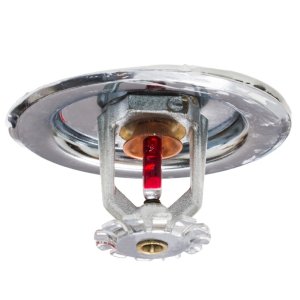
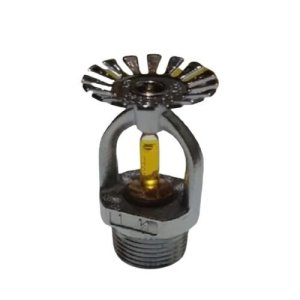
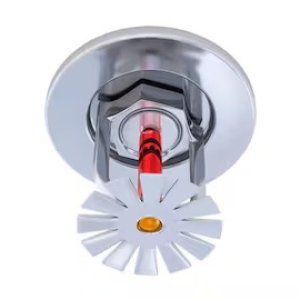
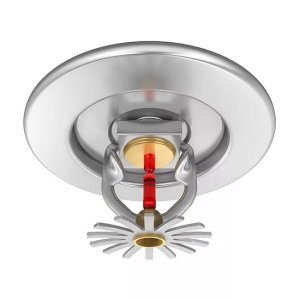
The Liquid-Filled Glass Bulb: The internal orifice is held sealed by a small, precision-calibrated quartz glass bulb containing a temperature-sensitive chemical liquid. As a fire burns beneath it, the ambient air temperature rises, causing the internal liquid to expand.
The Shatter Threshold: Once the ambient air reaches a pre-determined safety setpoint—typically 68°C (155°F) for standard commercial zones—the internal expanding fluid shatters the glass bulb into fragments.
The Deflector Array: With the bulb destroyed, the internal system pressure pushes the sealing assembly out of the way. A solid jet of water shoots out against a serrated metal deflector plate at the tip of the head, breaking the solid stream into a calculated, uniform spray umbrella designed to efficiently suppress embers and douse hot surfaces.
Key Performance Features
Strict Code Compliance and Certifications: Fully engineered, component-tested, and factory-validated to bear official UL Listing and FM Approval marks, ensuring complete compliance with NFPA 13 standards.
Integrated Waterflow Alarm Telemetry: Equipped with mechanical vane-type or pressure-type waterflow switches. The moment water begins moving through a primary riser pipe, the switch triggers internal contacts, sending an immediate alarm signal to the building's central Fire Alarm Control Panel (FACP).
Anti-Corrosive Interior Pipe Linings: High-capacity black steel or galvanized steel lines are available with specialized internal inhibitor linings to prevent Microbially Influenced Corrosion (MIC) and scaling over long standby years.
Comprehensive Zone Control Configurations: Every primary riser floor branch features a dedicated zone control assembly, complete with a supervised isolation butterfly valve, an in-line check valve, a pressure gauge, and a specialized test/drain valve to simplify routine quarterly system testing.
Technical Performance MatrixEngineering Metric ProfileWet/Dry Branch Distribution LineIndustrial Deluge Grid SystemPiping Material ProtocolBlack Steel (ASTM A53) / Schedule 10 or 40Galvanized Carbon Steel / Stainless SteelInterconnection Joint ProfileRigid Mechanical Grooved Couplings (AWWA C606)Grooved Joints / Threaded / Flanged LayoutSprinkler Head K-FactorK5.6 ($80\text{ Metric}$) / K8.0 ($115\text{ Metric}$) standardK11.2 / K14.0 / K16.8 up to ESFR ProfilesThermal Activation Ranges57°C, 68°C (Standard), 79°C, 93°C, 141°CN/A (Open Nozzles Operated by Deluge Valve)Response Time Index (RTI)Fast Response ($RTI < 50$) / Standard ($RTI > 80$)Instantaneous via External Detection Trip LoopMaximum System Working Pressure12.0 bar to 17.2 bar (175 PSI to 250 PSI Max)12.0 bar to 20.7 bar (175 PSI to 300 PSI Max)Factory Hydrostatic TestValidated up to 13.8 bar ($200\text{ PSI}$) for 2 hoursHydrostatic shell testing up to 2.0$\times$ WorkingStandard Procurement Package Components
Complete Pre-Engineered Branch Piping Network and Zone Control Valves
Specified Array of Automatic Sprinkler Heads (Pendent, Upright, or Sidewall Wall-mount)
High-Accuracy Mechanical Waterflow Alarm Switch and Pressure Gauges
Heavy-Duty Spare Sprinkler Head Storage Box with Dedicated Head Wrench Tool
Complete Professional Hydraulic Calculations, Isometric Layouts, and UL/FM Certifications
Optional System Add-ons: Pre-Action/Deluge Master Control Valves, Air Compressors (for Dry Systems), and Backflow Preventer Manifold Assemblies (Sold Separately based on final BOQ constraints)